EAWorld – Its All About Mindset!

Author name: admin2

Uncategorized

Why Companies Are Investing in EQ Development!

technical skills alone are no longer sufficient for business success. Organizations are increasingly recognizing the value of emotional intelligence (EQ) as a critical factor in leadership, teamwork, and overall workplace performance. Emotional intelligence training equips employees with the ability to manage emotions, enhance interpersonal relationships, and foster a productive work environment. With businesses shifting their focus towards EQ development, many are turning to industry leaders like EANLPWorld, whose expertise in soft skills training has empowered professionals worldwide. By integrating scientifically backed EQ development programs, EANLPWorld helps companies cultivate emotionally intelligent workforces capable of driving sustainable success. Why Emotional Intelligence Matters in the Workplace Emotional intelligence refers to an individual’s ability to recognize, understand, and manage their own emotions while effectively responding to the emotions of others. Research consistently shows that high EQ is linked to: Stronger Leadership – Emotionally intelligent leaders inspire teams, navigate challenges, and make well-balanced decisions. Improved Employee Engagement – Employees who feel understood and valued are more motivated and committed to their roles. Enhanced Communication Skills – High EQ fosters effective collaboration, reducing workplace conflicts and misunderstandings. Higher Adaptability – Emotionally intelligent individuals handle stress and change more effectively, ensuring organizational agility. Increased Productivity – Teams with strong EQ function more cohesively, leading to better performance and innovation. The Rise of EQ Training: Why Companies Are Investing in Emotional Intelligence Enhancing Leadership Development Today’s top-performing organizations recognize that emotional intelligence training for leaders is essential for long-term success. Leaders with high EQ demonstrate empathy, resilience, and the ability to inspire their teams. By investing in EQ development programs, companies cultivate leaders who foster positive workplace cultures and drive employee engagement. A leader who lacks emotional intelligence may struggle with team motivation, decision-making under pressure, and conflict resolution. Conversely, emotionally intelligent leaders create trust, encourage open communication, and establish a positive work environment. Investing in leadership EQ training ensures that executives, managers, and team leads develop the self-awareness, emotional regulation, and social skills necessary to navigate today’s complex business world. Boosting Employee Retention and Job Satisfaction High employee turnover is a costly issue for many organizations. Studies reveal that emotionally intelligent workplaces experience lower attrition rates due to better job satisfaction and workplace well-being. Companies that invest in emotional intelligence workshops ensure that employees feel valued and supported, ultimately improving retention. Employees who work in environments that prioritize emotional intelligence report higher engagement, stronger commitment, and greater job fulfillment. When companies fail to address workplace stress, burnout, and emotional disconnect, employees become disengaged and more likely to leave. Through EQ development programs, businesses can create a supportive work culture that retains top talent and fosters long-term loyalty. Elevating Customer Relations and Sales Performance In client-facing roles, EQ is a game-changer. Sales professionals, customer service representatives, and relationship managers who possess high emotional intelligence can better understand customer needs, handle objections, and build lasting relationships. Many organizations now include EQ training in their sales and customer service development programs to enhance client satisfaction and drive revenue growth. A salesperson with high emotional intelligence can read customer emotions, adjust their approach accordingly, and build stronger rapport. Customers appreciate personalized interactions, active listening, and empathetic service—all of which are enhanced through emotional intelligence training. By investing in EQ coaching, businesses can elevate their customer service standards and create meaningful, long-term client relationships. Strengthening Employee Relationships and Teamwork Workplace dynamics are complex, and poor emotional intelligence can lead to misunderstandings, tension, and decreased collaboration. EQ training teaches employees to regulate their emotions, practice active listening, and develop empathy-based communication skills. As a result, teams function more effectively, leading to improved morale and stronger interpersonal connections. A study conducted by Harvard Business Review found that employees with high emotional intelligence contribute to better teamwork, lower stress levels, and greater job satisfaction. This is because emotional intelligence fosters trust, cooperation, and the ability to resolve interpersonal challenges effectively. When employees understand and respect each other’s emotions, they can build stronger working relationships and maintain a positive work culture. Elevating Customer Relations and Sales Performance In client-facing roles, EQ is a game-changer. Sales professionals, customer service representatives, and relationship managers who possess high emotional intelligence can better understand customer needs, handle objections, and build lasting relationships. Many organizations now include EQ training in their sales and customer service development programs to enhance client satisfaction and drive revenue growth. A salesperson with high emotional intelligence can read customer emotions, adjust their approach accordingly, and build stronger rapport. Customers appreciate personalized interactions, active listening, and empathetic service—all of which are enhanced through emotional intelligence training. By investing in EQ coaching, businesses can elevate their customer service standards and create meaningful, long-term client relationships. Improving Conflict Resolution and Workplace Harmony One of the most significant benefits of EQ development is its impact on workplace conflict resolution. Employees with strong emotional intelligence can navigate disagreements constructively, fostering a culture of open dialogue and mutual respect. Emotional intelligence training provides professionals with conflict management strategies that reduce tension and promote long-term cooperation. Conflicts in the workplace often arise from misunderstandings, miscommunication, or unmanaged emotions. Employees trained in emotional intelligence skills can recognize their own emotional triggers and respond thoughtfully rather than reactively. They learn to de-escalate tense situations, find common ground, and foster positive resolutions—leading to stronger team cohesion and a healthier work environment. How EANLPWorld Leads in EQ Training and Development As a trusted expert in soft skills training, EANLPWorld has been at the forefront of emotional intelligence coaching for organizations worldwide. Their comprehensive EQ training programs integrate neuroscientific insights, psychological principles, and practical application techniques to equip employees with the skills needed for professional success. Key Offerings from EANLPWorld’s EQ Training Programs: Tailored EQ Workshops: Custom-designed programs that address specific organizational challenges related to emotional intelligence in business. Executive Leadership Coaching: Helping leaders enhance self-awareness, decision-making, and interpersonal effectiveness. Team Development Sessions: Strengthening collaboration and communication across departments through EQ-driven teamwork strategies. Sales and Customer Service EQ Training: Elevating empathy-based selling and customer engagement skills. Conflict
Uncategorized

NLP for Success: How Entrepreneurs Use Neuro-Linguistic Programming to Achieve Their Goals

In today’s fast-paced business world, entrepreneurs need more than just technical skills and industry knowledge to succeed. They require strong communication, emotional intelligence, and the ability to overcome challenges with resilience. This is where neuro-linguistic programming (NLP) comes into play. By leveraging neurological linguistic programming techniques, entrepreneurs can enhance their decision-making, problem-solving, and leadership skills. This article explores the transformative impact of neuro-linguistic programming in business, covering key NLP techniques, the power of belief in NLP, and how experts, including those at EANLPWorld, empower entrepreneurs through NLP coaching and training programs. Understanding Neuro-Linguistic Programming (NLP) Neuro-linguistic programming (NLP) is a powerful psychological framework that examines the connection between thoughts (neuro), language (linguistic), and behavior (programming). It helps individuals reprogram their minds to achieve personal and professional success by replacing limiting beliefs with empowering ones. For entrepreneurs, mastering NLP effective communication and goal-setting techniques can be a game-changer, enabling them to build strong relationships, inspire teams, and make data-driven decisions with confidence. Key NLP Techniques for Business Success The Power of Belief in NLP One of the core principles of neuro-linguistic programming is that our beliefs shape our reality. Entrepreneurs who struggle with self-doubt or fear of failure can use NLP techniques to reframe negative thought patterns. ✅ Reframing Limiting Beliefs: By shifting from “I can’t do this” to “I am learning and improving,” entrepreneurs can boost their confidence. ✅ Anchoring Success: Associating a positive memory or emotion with a physical trigger (such as a deep breath) can help business leaders maintain a high-performance mindset under pressure.  Goal Setting and Problem-Solving with NLP Entrepreneurs face constant decision-making challenges. Neuro-linguistic programming in business provides structured goal-setting and problem-solving models, ensuring clarity and actionable steps toward success. ✅ SMART NLP Goal Setting: Setting Specific, Measurable, Achievable, Relevant, and Time-bound goals enhances focus and productivity. ✅ The Disney Strategy: An NLP technique that allows entrepreneurs to look at a problem from three perspectives—the Dreamer (visionary), the Realist (practical planner), and the Critic (risk assessor)—to refine business strategies effectively. NLP Effective Communication for Business Growth A successful entrepreneur must communicate persuasively with investors, customers, and teams. NLP effective communication techniques help refine language, tone, and non-verbal cues to build trust and influence. ✅ Mirroring and Matching: Subtly imitating another person’s body language and speech patterns to create rapport. ✅ Meta Model Questions: Asking precise, clarifying questions to uncover deeper insights during negotiations and problem-solving discussions. ✅ Pacing and Leading: Understanding a client’s or team’s current emotional state and gradually guiding them toward a desired outcome. Master Practitioner of Neuro-Linguistic Programming for Leadership Development For business owners who want to take their NLP expertise to the next level, becoming a master practitioner of neuro-linguistic programming provides advanced skills in behavioral modeling, persuasion, and leadership coaching. This certification allows entrepreneurs to: Influence stakeholders with greater ease. Develop high-performing teams through motivational strategies. Overcome subconscious barriers to success. How EANLPWorld Empowers Entrepreneurs with NLP Training At EANLPWorld, industry-leading NLP experts provide cutting-edge coaching and certification programs designed specifically for business professionals and entrepreneurs. Through their neuro-linguistic programming coach training, they help individuals master neurological linguistic programming techniques for business success. Why Choose EANLPWorld? ✅ Personalized NLP Coaching: Tailored strategies that address specific entrepreneurial challenges. ✅ Advanced NLP Training for Business Leaders: Special programs for executives and startup founders looking to leverage NLP for communication, negotiation, and team leadership. ✅ Accredited NLP Certifications: Globally recognized programs, including neuro linguistic programming for beginners and master practitioner of neuro-linguistic programming. Entrepreneurs who integrate neuro-linguistic programming in business gain a competitive edge in leadership, decision-making, and personal growth. Whether through NLP effective communication techniques, belief transformation, or structured goal-setting, NLP empowers professionals to achieve remarkable success. With the guidance of expert trainers like those at EANLPWorld, business owners can refine their skills, remove limiting beliefs, and harness the full potential of neuro-linguistic programming to build thriving enterprises. If you’re ready to unlock your full entrepreneurial potential, consider enrolling in NLP training with EANLPWorld today!

Uncategorized

The Connection Between Employee Engagement & HR Consultancy

Employee engagement is a critical factor in organizational success, directly impacting productivity, retention, and overall business performance. Companies that prioritize workforce engagement benefit from a more motivated and committed workforce, leading to sustainable growth. HR consultancy plays a pivotal role in developing and implementing effective employee engagement initiatives, leveraging expertise in HR advisory services, employee feedback surveys, and workforce engagement management. As one of the leading international HR consultants, EANLPWorld has redefined HR professional consulting by integrating global best practices with tailored engagement strategies. With an internationally experienced team, EANLPWorld offers HR advisory services designed to enhance workforce engagement and employee satisfaction. Understanding Employee Engagement & HR Consultancy Employee engagement extends beyond job satisfaction—it encompasses the emotional commitment employees have toward their organization. Engaged employees demonstrate higher levels of motivation, improved productivity, and a greater inclination to contribute to business success. However, fostering engagement in the workplace requires strategic interventions, data-driven approaches, and expert insights—this is where HR firms and HR consulting businesses come in. The Role of HR Consultancy in Workforce Engagement HR consultants specialize in providing employee engagement consulting, helping organizations implement best practices for employee engagement. They assess existing strategies, conduct staff engagement surveys, and design workforce engagement management frameworks tailored to business objectives. Key Areas Where HR Consultancy Enhances Employee Engagement: Employee Engagement and Retention Strategies: HR consultants develop targeted strategies to improve employee engagement and reduce turnover rates. These strategies address leadership development, recognition programs, and career progression opportunities. Measuring Employee Engagement: Through workforce analytics, HR consulting businesses provide insights into employee satisfaction and motivation levels. This includes using engagement surveys to measure workforce sentiment and adjust engagement initiatives accordingly. Internal Communications and Employee Engagement: Effective internal communications are essential for keeping employees informed, aligned with corporate goals, and motivated. HR consultants help organizations establish transparent communication channels to boost engagement. Employee Experience Initiatives: Enhancing the employee experience through workplace culture improvements, well-being programs, and learning opportunities significantly impacts engagement levels. Workforce Engagement Management: Implementing customized HR solutions that address workforce-specific challenges, ensuring employees remain committed to organizational objectives. The Impact of HR Consultancy on Employee Engagement Metrics Organizations that collaborate with HR consultancy firms, particularly global HR consulting firms like EANLPWorld, gain access to comprehensive workforce engagement solutions. Some of the measurable impacts include: Increased Employee Satisfaction: By utilizing employee feedback surveys, HR consultants gauge satisfaction levels and recommend improvements. Higher Retention Rates: Employee engagement and retention strategies reduce turnover, saving companies the high costs of recruitment and training. Improved Performance: Engaged employees exhibit greater efficiency, innovation, and commitment to organizational goals. Enhanced Corporate Culture: Strong engagement initiatives cultivate a workplace environment that fosters collaboration, trust, and inclusivity. Better Talent Acquisition: A strong employee engagement culture attracts top-tier professionals who seek organizations with a positive work environment. Best Practices for Employee Engagement: Insights from EANLPWorld As one of the best global HR consulting firms, EANLPWorld emphasizes the importance of holistic engagement strategies tailored to diverse business landscapes. Their internationally trained HR consultants provide cutting-edge solutions, incorporating insights from McKinsey employee engagement research and global benchmarks. How EANLPWorld Elevates Workforce Engagement: Advanced Staff Engagement Surveys: Leveraging data-driven tools to measure employee satisfaction and engagement levels. Custom-Tailored HR Advisory Services: Personalized solutions designed for specific organizational needs and challenges. Leadership Development Programs: Training managers on how to foster an engaged workforce through effective leadership techniques. Innovative Employee Engagement Initiatives: Implementing creative and impactful programs that drive motivation and loyalty. Comprehensive Employee Experience Initiatives: Enhancing workplace culture by focusing on professional development, wellness programs, and career coaching. HR Consulting Business Expertise: Providing industry-leading guidance on HR policies, compliance, and workforce development. The Role of EANLPWorld in HR Consultancy EANLPWorld brings a unique approach to HR consultancy, combining international experience with an in-depth understanding of workforce dynamics. Their HR professional consulting services focus on strategic solutions that align with business objectives while enhancing employee engagement. By leveraging best practices for employee engagement and measuring employee satisfaction, EANLPWorld ensures organizations create an optimal work environment. With a global network of experienced HR consultants, EANLPWorld is positioned as a trusted partner in optimizing employee culture and engagement. Their tailored workforce engagement management solutions have helped numerous organizations worldwide improve retention, boost productivity, and foster a thriving workplace culture. Effective Change Management Strategies to Minimize Disruption and Maintain Morale During Transitions Organizational change is inevitable in today’s dynamic business environment. Whether it’s a company restructuring, leadership transition, digital transformation, or market expansion, change can significantly impact employees’ morale and productivity. Effective change management strategies help organizations minimize disruption, maintain employee engagement, and foster a positive workplace culture during transitions. Understanding the Impact of Change on Employees Change often leads to uncertainty, anxiety, and resistance among employees. Poorly managed transitions can result in reduced productivity, disengagement, and increased turnover. HR consultancy plays a crucial role in guiding businesses through organizational shifts, ensuring a structured and people-centric approach to change management. Key Strategies for Successful Change Management Transparent and Consistent Communication  Clearly articulate the reasons behind the change, expected outcomes, and how employees will be affected. Use multiple channels, including meetings, emails, and employee engagement platforms, to ensure effective communication. Encourage two-way communication to address concerns and provide employees with a platform to share feedback. Employee Involvement and Stakeholder Engagement  Involve employees early in the process to foster ownership and reduce resistance. Create task forces or committees that allow employees to contribute to the transition plan. Engage leadership and middle management to act as change champions and facilitate smoother adoption. Training and Upskilling Programs  Provide employees with the necessary skills and resources to adapt to new systems, processes, or roles. Offer coaching sessions, personal development training, and executive function coaching to help employees navigate the transition. Maintaining Employee Morale and Well-Being  Recognize employees’ efforts and resilience during the transition through appreciation programs. Offer mental health support, including well-being coaching and stress management workshops. Promote a culture of adaptability by celebrating small wins throughout the change process. Continuous Feedback and Adjustment  Conduct workforce

Uncategorized

The Role of HR Consultants in Modern Business Strategy

Human Resource (HR) consulting has become a cornerstone for businesses aiming to build strong, efficient, and legally compliant workforces. Whether a company is a startup or a large enterprise, HR consultants play a vital role in optimizing human capital management, improving employee experience, and ensuring compliance with labor laws. Organizations that invest in HR consultancy gain access to expert knowledge and strategic guidance that enhance overall business performance. Understanding the Importance of HR Consulting HR consulting services provide organizations with tailored solutions that address workforce challenges, improve organizational culture, and align HR practices with business goals. A well-structured HR strategy helps companies navigate recruitment, employee retention, talent development, compensation planning, and workplace policies efficiently. By leveraging the expertise of HR consultants, businesses can implement best practices that enhance productivity and reduce operational risks. How HR Consultants Drive Business Success HR consultants contribute significantly to a company’s growth by offering specialized services that streamline HR functions. These professionals analyze current HR policies, assess workforce needs, and provide actionable recommendations to improve talent acquisition, workforce engagement, and employee satisfaction. Additionally, they offer guidance on compliance with employment laws, mitigating the risk of costly legal issues. Key Services Offered by HR Consultants Talent Acquisition and Recruitment Strategy Recruiting the right talent is critical to an organization’s success. HR consultants help businesses design effective hiring processes, develop employer branding strategies, and create structured onboarding programs to improve employee retention. They use advanced recruitment tools and market research to attract top-tier candidates, ensuring long-term workforce stability. Employee Engagement and Retention Strategies Employee engagement directly impacts productivity and workplace morale. HR consultants implement programs that foster a positive work environment, including employee recognition initiatives, leadership training, and performance management systems. Engaged employees are more likely to stay with a company, reducing turnover costs and enhancing organizational culture. Compensation and Benefits Planning Competitive salary structures and benefits packages are essential for attracting and retaining skilled professionals. HR consultants conduct market analysis to determine fair compensation strategies, design performance-based incentives, and ensure compliance with labor regulations regarding employee benefits. They also help organizations implement health and wellness programs to improve workforce well-being. Compliance and Legal Advisory Employment laws and regulations are constantly evolving. HR consultants ensure businesses remain compliant with labor laws, workplace safety standards, and anti-discrimination policies. They conduct HR audits, provide legal training for HR teams, and implement policies that protect both employees and employers from legal disputes. Leadership Development and Workforce Training A company’s success depends on the skills and leadership capabilities of its workforce. HR consultants design customized training programs to develop managerial competencies, improve communication skills, and enhance overall employee performance. Executive coaching and leadership development initiatives help organizations cultivate future business leaders. The Impact of HR Consulting on Organizational Growth Investing in HR consulting provides businesses with a strategic advantage in workforce management. By addressing critical HR challenges, companies experience improved operational efficiency, reduced turnover rates, and enhanced employee productivity. HR consultants also help organizations adapt to evolving workplace trends, such as remote work policies, diversity and inclusion initiatives, and technology-driven HR solutions Future Trends in HR Consulting 1. Digital Transformation in HR Technology is revolutionizing HR functions, with automation, AI-driven recruitment, and cloud-based HR systems becoming integral to workforce management. HR consultants guide organizations in implementing digital HR solutions that enhance efficiency and improve employee experience. 2. Data-Driven HR Decision-Making HR analytics is transforming how companies assess workforce performance and predict talent needs. Consultants utilize data-driven insights to optimize HR strategies, reduce hiring costs, and improve employee retention rates. 3. Remote Work and Hybrid Workforce Management The rise of remote and hybrid work models requires businesses to adapt their HR policies. HR consultants assist in creating flexible work arrangements, virtual onboarding processes, and remote employee engagement programs. 4. Diversity, Equity, and Inclusion (DEI) Initiatives A diverse and inclusive workplace fosters innovation and improves business performance. HR consultants develop DEI strategies that promote fair hiring practices, unconscious bias training, and inclusive workplace cultures. Choosing the Right HR Consultant for Your Business Selecting the right HR consultant requires evaluating their expertise, industry experience, and ability to align with your business goals. Companies should look for consultants with a proven track record in HR strategy development, compliance advisory, and talent management. Client testimonials and case studies can provide valuable insights into their effectiveness. The Role of EANLPWorld in HR Consultancy EANLPWorld plays a crucial role in shaping HR consultancy by integrating advanced methodologies in human resource management, soft skills training, and leadership development. As a leading consultancy in NLP-based executive coaching, EANLPWorld helps businesses optimize their workforce potential through strategic coaching, behavioral analysis, and professional development programs. The organization specializes in equipping HR consultants with innovative tools that enhance decision-making, conflict resolution, and employee engagement strategies. By leveraging insights from EANLPWorld, businesses can create resilient HR frameworks that foster long-term success. HR consulting is a vital investment for businesses seeking to optimize workforce management, enhance employee engagement, and ensure legal compliance. With the evolving nature of the workplace, HR consultants provide strategic guidance that helps companies navigate complex HR challenges and drive organizational success. By leveraging HR expertise, businesses can create a thriving work environment that fosters growth, productivity, and long-term sustainability.

Uncategorized

Halo Effect to Build Brand and Sales Success

The Halo Effect is a powerful cognitive bias that influences consumer perceptions, decision-making, and brand loyalty. It occurs when individuals form a general impression of a person, company, or product based on a single positive characteristic. In the world of business and sales, this psychological phenomenon can be strategically leveraged to enhance brand positioning, drive customer trust, and maximize revenue. For high-level managers and executives, understanding and applying the Halo Effect can be a game-changer in shaping competitive advantage and long-term market influence. The Psychological Foundation of the Halo Effect The term “Halo Effect” was first introduced by psychologist Edward Thorndike in 1920. His research revealed that people tend to judge others holistically rather than evaluating individual attributes separately. This means that a single positive trait—such as attractiveness, competence, or credibility—can disproportionately influence overall perceptions. In a business context, the Halo Effect shapes how customers and stakeholders perceive a company. If a brand is associated with a positive attribute—such as innovation, sustainability, or superior customer service—consumers are more likely to believe that other aspects of the brand, including its products, leadership, and corporate values, are equally outstanding. For executives, mastering this cognitive bias is essential for optimizing brand equity, sales strategies, and customer experiences. The Halo Effect in Branding: Creating a Positive Association In branding, the Halo Effect can be a key driver of perceived value and customer preference. A well-managed brand image leads consumers to assume that all products and services under the brand umbrella meet the same high standards. Here’s how it manifests: Strong Brand Identity Leads to Increased Trust Companies with strong, well-positioned brands automatically benefit from an assumption of quality across their product lines. For example, when Apple releases a new product, customers trust its reliability before even experiencing it firsthand. This is because Apple has cultivated a reputation for innovation and high performance—an established Halo Effect that influences buying decisions. Executive and Celebrity Endorsements Strengthen Brand Perception Leadership plays a significant role in brand reputation. A respected CEO or industry thought leader can enhance a company’s credibility and influence investor confidence. Similarly, when celebrities or influencers endorse a brand, their positive public image extends to the company, creating a favorable bias in consumer perception. Corporate Social Responsibility (CSR) Builds Ethical Equity Companies that actively engage in sustainability, diversity, and ethical business practices often benefit from an enhanced brand image. Consumers increasingly favor businesses that align with their values, leading to higher loyalty and premium pricing opportunities. A brand known for corporate responsibility will have customers assuming all its products and services are superior, even if they haven’t personally tried them. The Halo Effect in Sales: Influencing Customer Behavior In sales, the Halo Effect can reduce buyer hesitation, accelerate decision-making, and improve customer retention. Leveraging this bias can lead to significant business growth through: 1. Product Line Extensions and Cross-Selling Success When a company’s flagship product gains strong customer approval, the positive perception carries over to other offerings. For instance, a car manufacturer known for safety (e.g., Volvo) will see customers assuming its new electric vehicles are equally reliable—even before experiencing them. This makes cross-selling and upselling easier for sales teams. 2. Premium Pricing and Competitive Differentiation Brands with a strong Halo Effect can command premium pricing, as customers perceive additional value beyond the functional benefits of a product. Luxury brands such as Rolex, Chanel, and Tesla thrive on this psychological influence, where customers associate price with superior quality and status. 3. Reduced Price Sensitivity and Increased Loyalty Consumers who view a brand favorably are less likely to be deterred by price fluctuations. The Halo Effect fosters deep emotional connections, leading to repeat purchases, long-term loyalty, and higher customer lifetime value (CLV). Implementing the Halo Effect in Business Strategy For high-level managers and executives, strategically harnessing the Halo Effect requires a deliberate approach. Below are key strategies to reinforce a positive brand aura and influence consumer behavior: 1. Invest in High-Quality Flagship Products or Services A single exceptional product can elevate the entire brand’s reputation. Businesses should prioritize innovation and excellence in their flagship offerings to create a ripple effect of trust and credibility across their portfolio. 2. Leverage Thought Leadership and Executive Branding Strong leadership presence enhances company perception. Executives should actively engage in industry discussions, publish insights, and participate in key events to reinforce credibility. When leaders are seen as visionaries, their companies benefit from an elevated reputation. 3. Optimize Customer Experience Across All Touchpoints Every interaction with a brand contributes to its Halo Effect. Ensuring seamless customer service, user-friendly digital experiences, and high-value content marketing can significantly enhance brand perception. 4. Align Brand Image with Customer Aspirations Customers are drawn to brands that reflect their desired self-image. Businesses should position themselves in ways that align with their audience’s values and aspirations. For example, Nike’s association with elite athletes creates a Halo Effect, making consumers feel empowered by using its products. 5. Utilize Social Proof and Influencer Partnerships Public perception is influenced by what others believe and endorse. Brands should actively seek customer testimonials, influencer endorsements, and high-profile partnerships to reinforce positive brand associations. 6. Focus on Consistency in Branding and Messaging A fragmented brand image weakens the Halo Effect. Executives should ensure that marketing, advertising, and corporate communications remain consistent in tone, message, and quality. Mitigating the Risks of a Negative Halo Effect While the Halo Effect can be a powerful asset, the reverse—often referred to as the Horns Effect—can be detrimental. A single negative incident, such as poor product quality, a leadership scandal, or customer service failure, can tarnish an entire brand’s reputation. To safeguard against this, businesses must: Monitor Brand Perception Constantly: Use social listening tools, customer feedback loops, and brand sentiment analysis to detect potential reputation risks early. Act Swiftly in Crisis Management: Negative perceptions spread rapidly, especially in the digital era. Companies should proactively address issues transparently and take corrective action. Diversify Brand Strength Across Multiple Pillars: Relying on a single product, leader, or marketing channel can be

Uncategorized

The Role of Social Proof in Sales Psychology: Why People Follow the Crowd

Social proof is one of the most powerful psychological drivers in sales and marketing. It influences consumer behavior by leveraging the idea that people tend to follow the actions of others, especially in situations of uncertainty. From customer reviews and testimonials to celebrity endorsements and industry certifications, social proof plays a critical role in shaping purchasing decisions and building brand credibility. Understanding how social proof works and incorporating it effectively into sales strategies can significantly boost conversion rates and customer trust. The Psychological Mechanism Behind Social Proof At its core, social proof is rooted in human psychology and our natural tendency to conform to the behaviors and opinions of others. This concept is closely linked to cognitive biases such as herd mentality and authority bias, where people are more likely to trust and emulate individuals or groups they perceive as credible or knowledgeable. Psychologist Robert Cialdini, in his book Influence: The Psychology of Persuasion, identified social proof as one of the six principles of persuasion. He explained that when people are uncertain about a decision, they look to the actions of others for guidance. This is particularly evident in online shopping, where potential buyers rely heavily on reviews, ratings, and testimonials to determine the quality and credibility of a product or service. Another key aspect of social proof is its connection to FOMO (Fear of Missing Out). When people see that a product is trending or in high demand, they are more likely to make a purchase quickly to avoid missing out on something valuable. This is why businesses often highlight the popularity of a product, using phrases like “Bestseller” or “Limited Stock Available” to drive urgency and demand. How Social Proof Shapes Buying Decisions Consumers are constantly exposed to various forms of social proof that influence their purchasing decisions, whether consciously or subconsciously. Here’s how social proof affects the buyer’s journey: Building Trust and Credibility  A product or service with numerous positive reviews and testimonials appears more reliable and trustworthy, making potential customers feel more confident in their purchase. Reducing Perceived Risk People fear making bad choices, especially when investing money in a product or service. Seeing others endorse a brand minimizes uncertainty and reassures them that they are making the right decision. Creating a Sense of Community When consumers see that many people have engaged with a brand, whether through user-generated content, social media shares, or memberships, they feel a sense of belonging and connection. Enhancing Brand Authority Companies that showcase endorsements from industry experts, celebrities, or well-known brands position themselves as leaders in their field, increasing their perceived value. Types of Social Proof To leverage social proof effectively, businesses need to understand the different types available and how to apply them in various sales and marketing strategies. The primary types include: 1. User-Generated Social Proof This includes reviews, ratings, and testimonials from satisfied customers. Consumers trust peer recommendations more than traditional advertisements, making customer feedback one of the most influential forms of social proof. 2. Expert Social Proof Endorsements from industry professionals, specialists, or influencers lend credibility to a product or service. A well-known expert vouching for a brand increases its trustworthiness and perceived quality. 3. Celebrity or Influencer Social Proof When public figures or influencers endorse a brand, their followers are more likely to trust and purchase from that brand due to their admiration for the endorser. 4. Wisdom of the Crowd This type of social proof involves showcasing the large number of people who have purchased or engaged with a product. Examples include highlighting customer counts (“Over 1 Million Sold”) or displaying live purchase notifications on a website. 5. Wisdom of Friends People are more likely to buy something if their friends or family members recommend it. This is why referral programs and social media sharing features are effective sales strategies. 6. Certification and Accreditation Official endorsements from organizations, awards, or verified certifications add credibility to a product or company. Consumers tend to trust brands that display industry-recognized credentials.   The Impact of Social Proof on Consumer Behavior Social proof doesn’t just influence purchasing decisions—it also shapes how consumers perceive a brand and interact with it. The following behavioral patterns demonstrate how social proof affects consumer psychology: Increased Likelihood of Purchase: A product with hundreds of positive reviews or high ratings will attract more buyers than one without any reviews. Brand Loyalty and Advocacy: Customers who see that a brand is widely respected and endorsed are more likely to become repeat buyers and even brand advocates. Higher Engagement on Digital Platforms: Posts with high engagement (likes, comments, shares) receive more visibility and encourage further interaction, reinforcing the brand’s credibility. Reduced Skepticism: In industries where customers are cautious about spending money, strong social proof helps alleviate doubts and accelerates decision-making. Types of Social Proof in the Workplace Social proof isn’t just effective in sales and marketing; it also plays a role in shaping workplace culture, leadership decisions, and business success. In professional settings, social proof manifests in the following ways: Employee Testimonials and Reviews: Organizations with high employee satisfaction ratings on platforms like Glassdoor attract top talent more easily. Client Case Studies and Success Stories: Demonstrating how a company has successfully solved problems for clients builds trust and credibility with prospective customers. Industry Awards and Recognition: Companies that receive accolades from respected institutions gain a competitive edge and reinforce their authority in the market. Social Media and Employer Branding: A company with active employee engagement on social media signals a positive work culture, encouraging job seekers and clients to trust the brand. Peer Recommendations and Networking: Employees are more likely to apply for jobs or partner with companies that their colleagues or industry peers recommend. Strategies to Utilize Social Proof Effectively Businesses can maximize the impact of social proof by incorporating it strategically into their sales and marketing efforts. Here are some effective tactics: Showcase Customer Reviews Prominently: Displaying testimonials and star ratings on product pages, email campaigns, and social media boosts credibility and conversion

Uncategorized

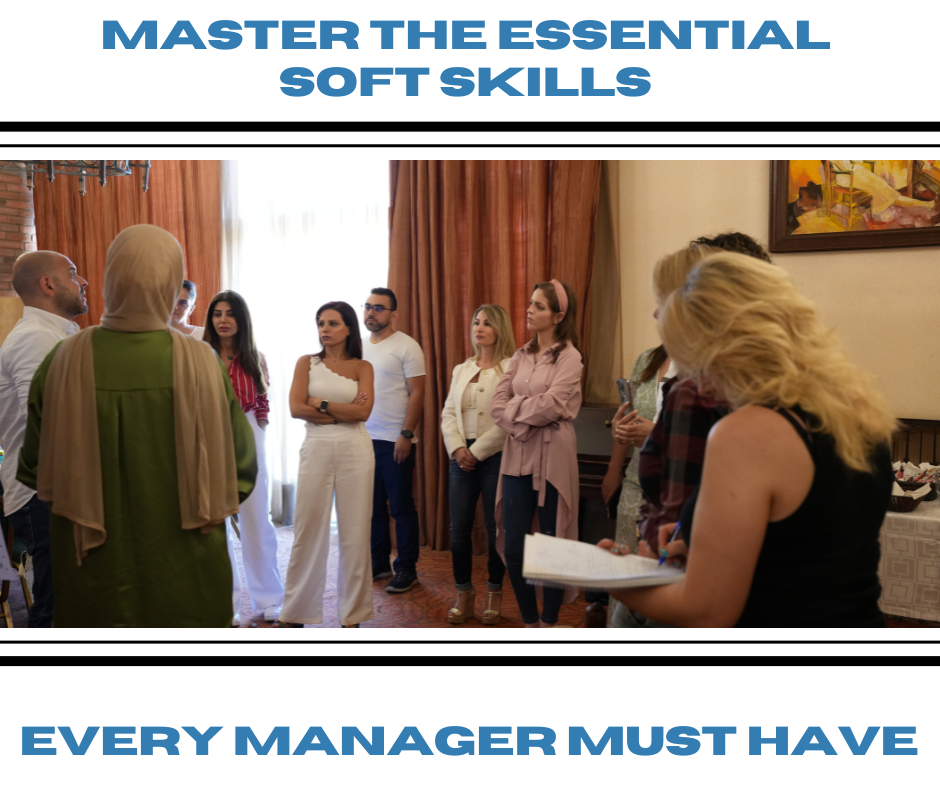
Master the Essential Soft Skills Every Manager Must Have

Soft skills are the foundation of successful leadership. While technical abilities and industry knowledge are crucial, the ability to communicate effectively, foster relationships, and adapt to change is what defines impactful leaders. Soft skills enhance a manager’s ability to inspire their teams, foster a culture of collaboration, and align employees with organizational goals. In the fast-paced corporate world, leaders with strong soft skills can navigate uncertainty with confidence and resilience. They can influence stakeholders, foster innovation, and create a workplace culture that attracts and retains top talent. By investing in the development of soft skills, managers not only unlock their own leadership potential but also drive their organizations toward sustainable success. Organizations that aim to thrive in the modern era face unprecedented complexities: global competition, rapid technological advancements, and evolving workforce expectations. These challenges demand leaders and teams who can navigate ambiguity, inspire confidence, and align diverse groups toward shared goals. Soft skills—such as communication, emotional intelligence, adaptability, and collaboration—are the cornerstone of such capabilities, enabling businesses to not only survive change but to leverage it as a catalyst for growth. Essential Soft Skills Every Manager Needs 1. Emotional Intelligence: The Core of Exceptional Leadership Emotional intelligence (EI) is the ability to understand and manage your own emotions while empathizing with others. For managers, EI is a critical tool for building trust and fostering meaningful relationships with employees, peers, and stakeholders. Leaders with high emotional intelligence are better equipped to navigate interpersonal conflicts, provide constructive feedback, and motivate their teams. They can identify stress points within the organization and implement solutions that prioritize employee well-being. Emotional intelligence is not just a skill—it’s a leadership superpower that can transform workplace dynamics and foster a positive environment. 2. Communication: The Foundation of Influence Clear and effective communication is the cornerstone of leadership. Managers must articulate their vision, set clear expectations, and provide regular feedback to ensure alignment within their teams. Moreover, active listening—a vital component of communication—helps leaders understand the needs and concerns of their employees. Strong communication skills enable managers to inspire confidence and rally their teams around shared objectives. Whether it’s navigating a challenging negotiation or addressing a room of executives, leaders who communicate with clarity and confidence can influence outcomes and drive meaningful change. 3. Adaptability: Thriving in a Constantly Changing World In an era of rapid technological advancement and evolving market demands, adaptability is a non-negotiable skill for managers. Leaders who can pivot strategies, embrace innovation, and guide their teams through change are invaluable assets to any organization. Adaptable managers can identify opportunities in the face of challenges and maintain a positive outlook, even during uncertain times. This resilience fosters trust among employees, as they look to their leaders for guidance and stability. 4. Decision-Making: Balancing Strategy and Empathy Effective leaders excel at decision-making, a skill that requires both analytical thinking and empathy. Managers must weigh the potential outcomes of their choices while considering the human impact on their teams. In high-pressure situations, the ability to make swift, informed decisions can be a game-changer. Leaders who integrate empathy into their decision-making processes are more likely to build loyalty and earn the respect of their employees. 5. Conflict Resolution: Turning Challenges Into Opportunities Conflict is inevitable in any workplace, but skilled managers view it as an opportunity for growth rather than a threat. Conflict resolution requires emotional intelligence, active listening, and a collaborative mindset to address issues constructively. Leaders who excel at resolving conflicts create an environment where employees feel heard and valued. This not only reduces tension within teams but also fosters a culture of open communication and mutual respect. How to Develop Soft Skills as a Manager Cultivating soft skills requires intention, practice, and continuous learning. Here are actionable strategies for managers seeking to elevate their leadership capabilities: Seek Feedback: Regular feedback from peers, mentors, and team members can provide valuable insights into your strengths and areas for improvement. Invest in Training: Leadership workshops and coaching programs offer practical tools and frameworks to enhance your soft skills. Practice Self-Reflection: Take time to evaluate your decisions, communication style, and interpersonal interactions to identify opportunities for growth. Prioritize Team Development: Encourage your team to develop their soft skills, creating a culture of mutual learning and collaboration. The Competitive Advantage of Soft Skills in 2025 and Beyond As the workplace continues to evolve, the demand for leaders with exceptional soft skills will only grow. In 2025 and beyond, organizations will seek managers who can navigate complexity, inspire innovation, and lead with empathy. For executives and managers, the ability to master soft skills is not just a professional advantage—it is a necessity. By embracing the importance of emotional intelligence, effective communication, and adaptability, leaders can unlock their full potential and drive meaningful impact within their organizations. Empowering Leaders Through Soft Skills Leadership in the modern business environment requires more than technical expertise or seniority. Today’s successful leaders understand that their ability to build relationships, foster trust, and connect with diverse teams is what drives real influence. Soft skills such as empathy, collaboration, and adaptability are the tools that enable managers to inspire action and cultivate a culture of innovation. Soft skills create a foundation for authentic leadership by bridging the gap between authority and approachability. Leaders who actively practice skills like empathy and emotional intelligence gain deeper insights into their teams’ motivations and challenges. This empowers them to offer personalized support, making employees feel valued and increasing workplace morale. Soft Skills: The Engine Behind High-Performing Teams Teams thrive when led by managers who prioritize soft skills. Effective communication, for instance, ensures that goals are clearly outlined, feedback is constructive, and misunderstandings are minimized. Similarly, conflict resolution skills foster an atmosphere of trust, where team members feel comfortable voicing concerns and collaborating on solutions. When leaders integrate emotional intelligence into their daily interactions, they build teams that are resilient and adaptable in the face of challenges. A manager with strong interpersonal skills can unify individuals from different backgrounds, leveraging their diverse

Uncategorized

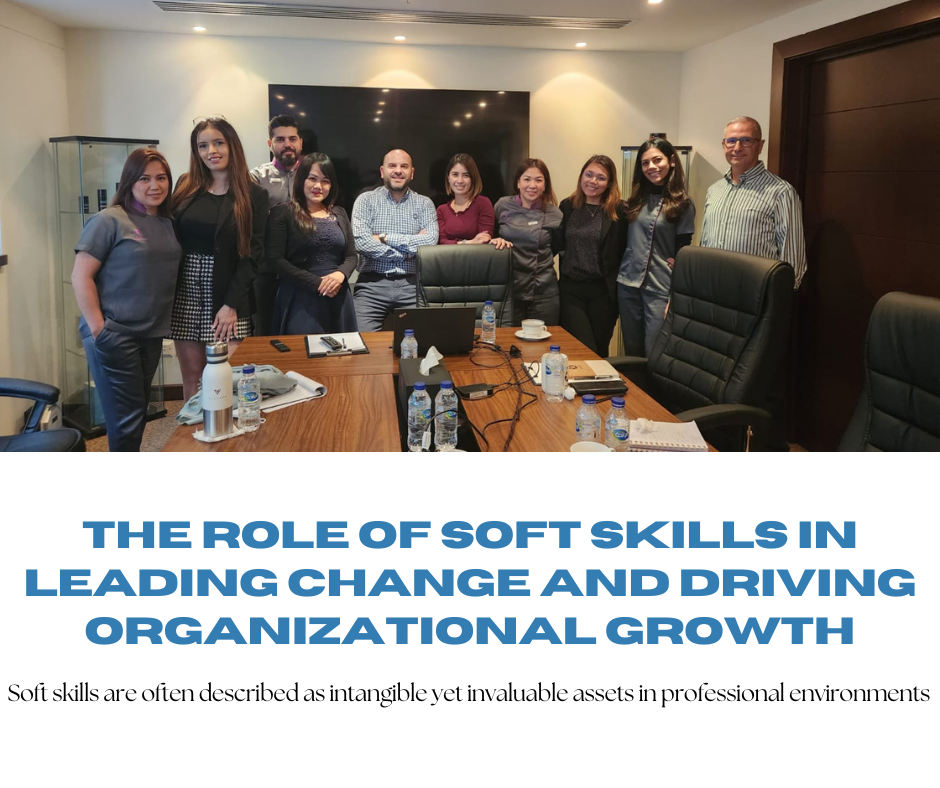
The Role of Soft Skills in Leading Change and Driving Organizational Growth

Soft skills are often described as intangible yet invaluable assets in professional environments. They are the qualities that enable individuals to interact effectively and harmoniously with others, often distinguishing exceptional leaders and teams from the rest. In the realm of organizational growth and change management, soft skills are not just complementary—they are essential. They bridge the gap between technical expertise and human connection, fostering a culture of trust, adaptability, and innovation. Organizations that aim to thrive in the modern era face unprecedented complexities: global competition, rapid technological advancements, and evolving workforce expectations. These challenges demand leaders and teams who can navigate ambiguity, inspire confidence, and align diverse groups toward shared goals. Soft skills—such as communication, emotional intelligence, adaptability, and collaboration—are the cornerstone of such capabilities, enabling businesses to not only survive change but to leverage it as a catalyst for growth. How Emotional Intelligence Facilitates Organizational Change Emotional intelligence is one of the most critical soft skills when navigating organizational transformation. Leaders with high emotional intelligence can empathize with their teams, understand concerns, and address resistance to change effectively. This ability to connect on a personal level ensures that employees feel valued, even in times of uncertainty, creating an atmosphere of trust and collaboration. Emotional intelligence helps managers identify and resolve conflicts early, preventing disruptions during critical phases of organizational growth. When employees develop emotional intelligence, they are better equipped to adapt to new roles, embrace innovation, and contribute to organizational objectives. For companies aiming to lead industry transformations, emotional intelligence isn’t just a desirable trait—it is a fundamental driver of success. The Strategic Importance of Soft Skills in Change Leadership Organizational change is often met with resistance, uncertainty, and anxiety. A technically sound strategy may outline the steps for change, but without the human element of leadership, the best-laid plans can falter. Soft skills are the key to bridging this gap, ensuring that change initiatives resonate with individuals at all levels of an organization. Take communication, for example. Leaders who can articulate a clear and compelling vision for change inspire trust and align their teams with the organization’s goals. This is not merely about conveying information; it is about fostering understanding, addressing concerns, and motivating action. Similarly, emotional intelligence—the ability to empathize with and respond to the emotions of others—enables leaders to manage resistance with sensitivity, ensuring that employees feel valued and supported during transitions. Soft Skills as a Driver of Organizational Growth Growth requires more than operational efficiency and technical expertise; it demands creativity, collaboration, and a willingness to embrace new perspectives. Soft skills foster these qualities, enabling teams to work together effectively, innovate, and adapt to emerging opportunities. Collaboration, in particular, plays a pivotal role in organizational growth. Teams composed of individuals with diverse skill sets and backgrounds often produce the most innovative solutions. However, such diversity can also lead to friction if not managed effectively. Leaders and team members with strong interpersonal skills can navigate these dynamics, facilitating constructive dialogue and ensuring that differences become strengths rather than barriers. Adaptability is another critical soft skill for growth. In a rapidly changing business environment, the ability to pivot quickly and effectively is a competitive advantage. Organizations that cultivate adaptability within their teams are better positioned to seize opportunities, overcome challenges, and maintain momentum. Cultivating Emotional Intelligence to Build Resilient Teams The modern workplace is increasingly characterized by complexity and uncertainty, making emotional intelligence a cornerstone of effective leadership. Leaders who understand and manage their emotions—and those of their teams—can create environments where individuals feel safe, motivated, and empowered to perform at their best. Resilience is a natural byproduct of such environments. When employees feel supported emotionally, they are better equipped to handle the pressures of change and uncertainty. This resilience not only improves individual performance but also enhances team cohesion, creating a collective ability to withstand and thrive in challenging circumstances. Communication: The Glue That Holds Change Initiatives Together Clear and effective communication is the backbone of any successful change initiative. It is the medium through which visions are shared, expectations are set, and progress is measured. However, communication is not merely about delivering information; it is about creating a dialogue. Leaders who excel in communication actively listen to their teams, provide constructive feedback, and ensure that everyone feels heard and understood. This openness fosters trust and collaboration, reducing resistance to change and increasing engagement. Moreover, transparent communication builds credibility, enabling leaders to rally their teams around shared goals and inspire collective action. Adaptability: The Competitive Edge in Change Management Organizations today operate in a world of constant disruption. Market dynamics shift rapidly, consumer behaviors evolve, and technology advances at an unprecedented pace. In this environment, adaptability is not just a soft skill; it is a survival skill. Leaders and teams who embrace adaptability view change as an opportunity rather than a threat. They are open to learning, willing to experiment, and unafraid of failure. This mindset not only enhances their ability to navigate uncertainty but also positions their organizations to capitalize on emerging trends and opportunities. Conflict Resolution: Turning Challenges into Opportunities Change often brings about conflict, as individuals adjust to new roles, responsibilities, and expectations. While conflict is often viewed as a negative force, it can be a powerful driver of innovation and growth when managed effectively. Leaders with strong conflict resolution skills can identify underlying issues, mediate disputes, and foster understanding among team members. By addressing conflicts constructively, they create an environment where differences are valued and leveraged for creative problem-solving. This not only enhances team dynamics but also drives organizational performance. The Long-Term Benefits of Prioritizing Soft Skills Development Investing in soft skills development is one of the most impactful decisions an organization can make. It enhances employee satisfaction, reduces turnover, and improves overall performance. Moreover, organizations that prioritize soft skills are better equipped to build strong, collaborative cultures that attract top talent and foster long-term growth. For individuals, the benefits are equally significant. Soft skills enhance career prospects, improve interpersonal relationships,

Uncategorized

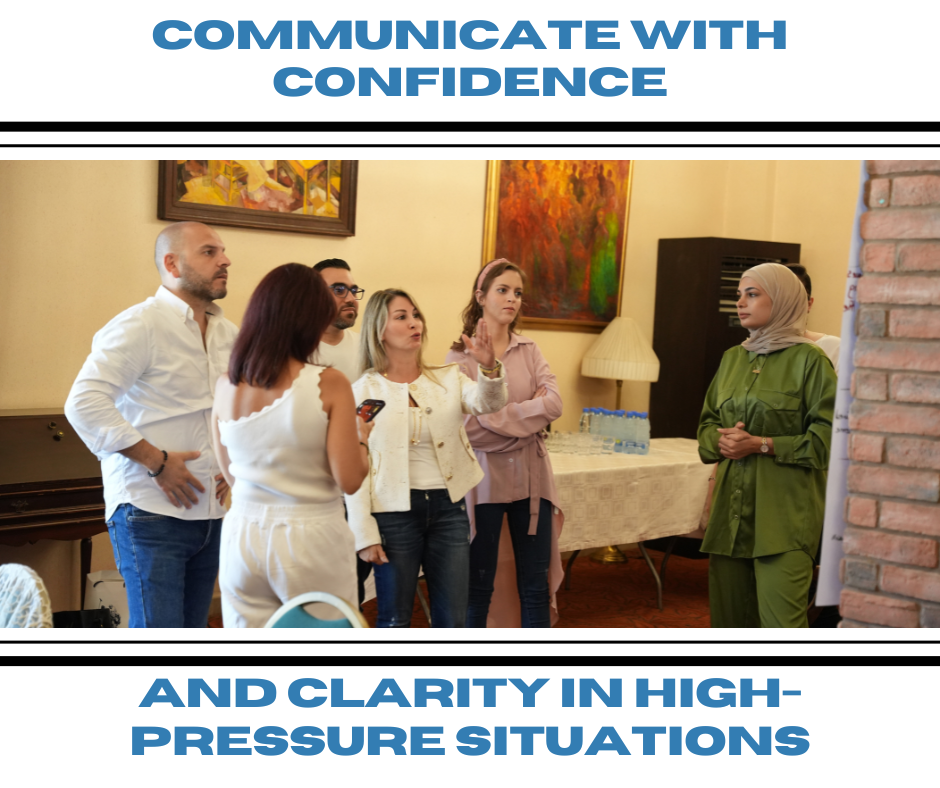
How to Communicate with Confidence and Clarity in High-Pressure Situations

Effective communication is a critical skill, especially in high-pressure situations where clarity, confidence, and composure can determine the outcome. Whether it’s delivering a crucial presentation, managing a crisis, or navigating a challenging conversation, the ability to communicate effectively under stress can elevate professional and personal interactions. The Role of Emotional Intelligence in High-Pressure Communication High-pressure scenarios often trigger stress and emotional responses that can cloud judgment and hinder communication. Emotional intelligence (EQ) is essential in these situations, as it helps individuals recognize and manage their emotions while responding empathetically to others. Practicing self-awareness, a key component of EQ, allows you to identify triggers that may disrupt your communication. For instance, taking a moment to breathe deeply and pause before responding can prevent emotional reactions that might escalate tensions. Additionally, empathy ensures that you are attuned to the needs and perspectives of others, fostering understanding and collaboration. Steps to Communicate with Confidence and Clarity in High-Pressure Situations Prepare Thoroughly in Advance Preparation is the foundation of confident communication. Even in unpredictable situations, taking the time to prepare your key points, anticipate questions, and identify potential challenges can significantly improve your performance. Research the situation: Understand the context and gather relevant data. Outline your message: Structure your communication with a clear beginning, middle, and end. Rehearse key points: Practice delivering your message concisely and confidently. Control Your Emotions High-pressure situations often trigger stress, anxiety, or frustration. Emotional regulation is critical to maintaining composure. Practice mindfulness: Deep breathing exercises or meditation can help calm your mind. Pause before responding: Take a moment to think before speaking to avoid reactive or emotional responses. Focus on solutions: Shift your mindset from problems to solutions to project confidence. Focus on Clarity Over Complexity Clear communication is particularly important when tensions are high. Avoid overloading your audience with jargon or excessive information. Simplify your message: Use concise language and focus on key points. Use visuals: Charts, diagrams, or other visuals can enhance understanding. Check for understanding: Encourage questions or feedback to ensure your message has been received correctly. Master Non-Verbal Communication Your body language, facial expressions, and tone of voice convey as much—if not more—than your words. Maintain eye contact: This conveys confidence and attentiveness. Open body language: Avoid crossing your arms, which may appear defensive. Use a steady tone: Speak calmly and at a measured pace to project authority. Adapt to Your Audience Flexibility is key to effective communication. Tailor your approach based on who you’re speaking to and the context of the situation. Understand your audience: Consider their priorities, concerns, and level of understanding. Use empathy: Acknowledge emotions and perspectives to foster connection. Be culturally sensitive: In diverse teams, adapt your style to respect cultural differences. Actively Listen Effective communication is as much about listening as it is about speaking. Active listening builds trust and ensures all perspectives are considered. Give full attention: Avoid multitasking or interrupting. Reflect and clarify: Paraphrase what you’ve heard to confirm understanding. Acknowledge emotions: Validate others’ feelings to de-escalate tension. Develop a Growth Mindset Confidence in communication comes from experience and a willingness to learn from mistakes. Seek feedback: Ask for constructive feedback on your communication style. Practice regularly: Engage in public speaking or role-playing exercises to refine your skills. Embrace challenges: Treat high-pressure situations as opportunities for growth. Benefits of Confident Communication in High-Pressure Situations High-pressure situations, whether they occur in a boardroom, during negotiations, or in conflict resolution, demand clear and confident communication. The ability to express oneself effectively and assertively under stress is not only a valuable professional skill but also a tool for personal growth. Here are the key benefits of confident communication in high-pressure scenarios: 1. Enhances Decision-Making and Problem-Solving In high-stakes situations, decision-making often requires quick thinking and precise communication. When you communicate confidently, you project clarity and decisiveness, which helps streamline the decision-making process. It also allows teams to address problems more effectively by focusing on solutions rather than getting lost in miscommunication or confusion. This clarity of purpose minimizes delays and ensures that decisions align with organizational goals. 2. Builds Trust and Credibility Confident communication instills trust and credibility in your audience, whether it’s your team, clients, or stakeholders. When people see that you can articulate ideas clearly and handle pressure calmly, they are more likely to trust your judgment and follow your lead. This credibility strengthens relationships and fosters a culture of reliability and mutual respect in professional settings. 3. Reduces Stress and Anxiety One of the most significant personal benefits of confident communication is its impact on stress and anxiety. Knowing that you can express yourself effectively helps you feel more in control during high-pressure situations. This control reduces the likelihood of feeling overwhelmed or second-guessing yourself, enabling you to focus on achieving desired outcomes. 4. Encourages Team Collaboration In high-pressure scenarios, teams often look for direction and assurance. Confident communication creates an environment where collaboration can thrive. By presenting your ideas assertively while encouraging open dialogue, you foster trust and alignment within the team. This collective confidence can lead to innovative solutions, shared accountability, and stronger overall performance. 5. Prevents Misunderstandings Under pressure, unclear or hesitant communication can lead to costly misunderstandings or conflicts. Confident speakers are better equipped to convey their messages concisely and accurately, minimizing room for error. This ensures that everyone involved is on the same page, reducing the potential for misaligned expectations or mistakes. 6. Inspires Leadership and Influence In challenging circumstances, people gravitate toward individuals who exude confidence and clarity. Whether you’re managing a crisis, negotiating terms, or leading a project, confident communication positions you as a natural leader. It enables you to influence others effectively, gain buy-in for your ideas, and guide teams toward achieving common objectives. 7. Increases Resilience Communicating with confidence in high-pressure situations builds resilience over time. It helps you develop the mental strength to face challenges head-on without being deterred by setbacks or criticism. This resilience not only benefits your career but also equips you with the tools

Uncategorized

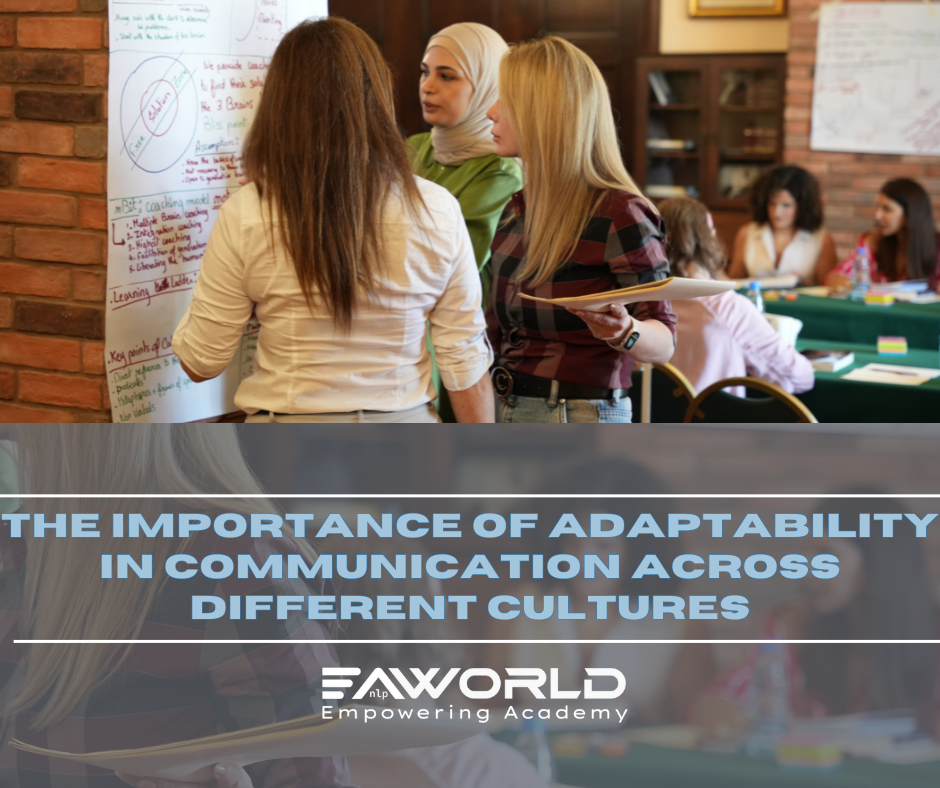
The Importance of Adaptability in Communication Across Different Cultures

In today’s interconnected world, the ability to adapt communication styles across cultures is no longer a luxury—it’s a necessity. With globalization breaking down geographical barriers, professionals, businesses, and organizations are engaging with individuals from diverse cultural backgrounds. This shift has amplified the importance of developing communication skills that are both adaptable and culturally sensitive. The ability to navigate these differences seamlessly not only enhances personal interactions but also drives success in professional environments, creating opportunities for collaboration, innovation, and growth. Why Cultural Adaptability is Crucial in Communication! Culture influences how people communicate, interpret messages, and perceive the world. It shapes everything from language and non-verbal cues to attitudes toward hierarchy, conflict resolution, and decision-making. For example, while direct communication is valued in Western cultures, indirect communication is often preferred in many Asian and Middle Eastern societies. A failure to recognize these cultural nuances can result in misunderstandings, strained relationships, and even lost opportunities. Adaptability in communication bridges this gap, allowing individuals to tailor their approach based on the cultural context. It fosters mutual understanding, reduces the risk of miscommunication, and ensures that messages resonate effectively with diverse audiences. In a world where businesses and individuals are increasingly operating on a global scale, this skill has become indispensable. The Role of Emotional Intelligence in Cross-Cultural Adaptability At the heart of cultural adaptability lies emotional intelligence (EI). Emotional intelligence enables individuals to recognize and manage their own emotions while understanding and empathizing with the emotions of others. In cross-cultural interactions, EI is critical for picking up on subtle non-verbal cues, interpreting unspoken messages, and responding appropriately to different communication styles. For instance, in high-context cultures like Japan or Saudi Arabia, where much of the communication relies on implicit understanding, emotionally intelligent individuals can detect nuances in tone, body language, or context that might be overlooked by others. Conversely, in low-context cultures such as the United States, where clarity and explicit communication are prioritized, emotional intelligence helps in framing messages that align with these expectations. Adaptability in the Workplace: A Competitive Advantage The modern workplace is a melting pot of cultures, where employees, clients, and stakeholders come from diverse backgrounds. In such an environment, adaptability in communication is not just a skill—it’s a competitive advantage. Organizations that cultivate culturally adaptable teams are better positioned to navigate global markets, attract top talent, and build lasting relationships with international partners. For leaders, cultural adaptability is especially critical. Effective leaders understand that their communication style must vary depending on the cultural context. For example, in hierarchical cultures, employees may expect leaders to provide clear, authoritative instructions, while in egalitarian cultures, a more collaborative approach might be preferred. Adapting to these expectations ensures that leaders can motivate and inspire their teams, regardless of cultural differences. Active Listening: A Pillar of Effective Cross-Cultural Communication Active listening is a fundamental skill that supports adaptability in communication. It involves fully focusing on the speaker, understanding their message, and responding thoughtfully. In multicultural settings, active listening becomes even more important, as language barriers, accents, or differing communication styles can complicate interactions. Active listening demonstrates respect and a willingness to understand, which are essential for building trust in cross-cultural relationships. By paraphrasing what the other person has said, asking clarifying questions, and paying attention to non-verbal cues, individuals can navigate cultural differences with greater ease. Overcoming Cultural Stereotypes and Biases Stereotypes and biases are significant obstacles to effective cross-cultural communication. These preconceived notions can distort perceptions and hinder genuine understanding. For example, assuming that all members of a particular culture behave the same way can lead to oversimplified and often inaccurate conclusions. Adaptability requires individuals to approach cultural interactions with an open mind, challenging their own assumptions and being willing to learn from others. This not only improves communication but also fosters inclusivity and mutual respect. Overcoming biases is a continuous process that involves self-awareness, education, and a commitment to personal growth. The Impact of Adaptability on Innovation and Collaboration Cultural diversity brings a wealth of perspectives, experiences, and ideas to the table. When individuals are equipped to communicate effectively across cultures, they can harness this diversity to drive innovation and collaboration. Adaptability enables teams to overcome cultural barriers, embrace different viewpoints, and work together toward common goals. For instance, a multicultural team brainstorming solutions to a complex problem can draw on their varied cultural backgrounds to develop creative and well-rounded approaches. However, without adaptability, these differences could lead to misunderstandings or conflict, undermining the team’s potential. Strategies for Enhancing Cultural Adaptability in Communication Cultural Awareness Training: Participating in cultural awareness programs can help individuals understand the norms, values, and communication styles of different cultures. Language Skills Development: Learning basic phrases or greetings in another language demonstrates respect and a willingness to connect. Flexibility in Communication: Adapting tone, style, and approach based on the audience’s cultural preferences ensures that messages are well-received. Continuous Learning: Staying curious and open to new cultural experiences fosters adaptability and broadens perspectives. The Role of Empathy in Negotiation Outcomes Empathy plays a crucial role in facilitating productive business negotiations. It is one of the key pillars of emotional intelligence, as it enables negotiators to tune into the unspoken emotions and desires of the other party. Understanding the perspective of the other side provides valuable insights into what drives their decisions, what they fear, and what they ultimately want from the negotiation. Empathetic negotiators are better equipped to make concessions, adjust proposals, and suggest alternatives that meet the needs of both parties. For instance, in contract negotiations, an empathetic negotiator may recognize that the other side is concerned about specific clauses, such as timelines or terms, and may offer solutions that address those concerns while still achieving their own goals. By showing that they understand and care about the other side’s concerns, negotiators can build goodwill and establish a foundation of trust that enhances the likelihood of a successful, collaborative agreement. Furthermore, empathy allows negotiators to approach disagreements with a mindset of resolution rather than confrontation. Instead

Uncategorized

How to Develop Strong Negotiation Skills Through Better Emotional Intelligence

Negotiation is an essential skill in business, impacting everything from sales and partnerships to conflict resolution and team management. A successful negotiator must do more than just communicate their position clearly; they must navigate the emotional landscape of the conversation to understand the perspectives, motivations, and desires of all parties involved. This is where emotional intelligence (EI) becomes a pivotal asset. Developing strong negotiation skills through better emotional intelligence can significantly enhance a professional’s ability to secure favorable outcomes while maintaining positive, long-term relationships. Understanding Emotional Intelligence in the Context of Negotiation Emotional intelligence refers to the capacity to recognize, understand, and manage both one’s emotions and the emotions of others. In the realm of negotiation, emotional intelligence can make the difference between a transactional interaction and one that leads to a mutually beneficial agreement. EI involves five core components: self-awareness, self-regulation, motivation, empathy, and social skills. These elements work in concert to help individuals manage their own emotional responses and perceive the emotional states of others, which is critical when negotiating in business settings. In a negotiation, the ability to read emotional cues, regulate one’s own emotional responses, and remain empathetic to the other party can lead to more constructive dialogues, better problem-solving, and solutions that satisfy all involved. Let’s explore how emotional intelligence can enhance various aspects of negotiation skills. Self-Awareness: Recognizing Your Own Emotions Self-awareness is the foundation of emotional intelligence. It involves recognizing your emotional state and understanding how it impacts your thoughts, behavior, and decision-making. In a negotiation, being self-aware allows you to identify when emotions like frustration, impatience, or excitement might be influencing your approach. For instance, if a negotiator feels cornered or defensive, they might respond with aggression or become closed off, which could hinder constructive dialogue. By developing self-awareness, you can step back and assess your emotional triggers during the negotiation process. This enables you to regulate your responses more effectively, allowing you to remain calm, composed, and rational in high-pressure situations. Recognizing when emotions are influencing your decisions helps prevent impulsive reactions that could damage relationships or undermine negotiation goals. Self-Regulation: Managing Emotional Responses Self-regulation, the ability to control one’s emotional reactions, is a key skill for successful negotiation. Emotions like anger or anxiety can derail negotiations, leading to rash decisions or combative behavior. The ability to stay composed and control these emotional responses is essential for maintaining professionalism and focusing on the issue at hand. For example, during a tense negotiation, self-regulation allows a negotiator to remain objective and avoid being drawn into emotional confrontations. This emotional control can be particularly beneficial when facing resistance, strong opposition, or challenging personalities. By managing emotions effectively, you are more likely to stay focused on your objectives, communicate clearly, and maintain a level-headed demeanor, all of which foster a more productive negotiation environment. Empathy: Understanding the Other Party’s Needs and Emotions Empathy, the ability to understand and share the feelings of others, plays a central role in any negotiation. It allows negotiators to see beyond their own perspective and consider the emotional and psychological drivers of the other party. When you can identify the emotions and concerns of the other side, you can tailor your approach to address their needs, which can lead to more positive and collaborative outcomes. In a business negotiation, empathy enables you to ask insightful questions, listen actively, and recognize underlying needs that may not be immediately apparent. For instance, if you’re negotiating a partnership, understanding the other party’s motivations and concerns can help you frame your proposal in a way that addresses their specific interests, making them more likely to agree. Moreover, showing empathy helps build rapport and trust, which is essential for maintaining strong business relationships long after the negotiation is concluded. Social Skills: Building Rapport and Influencing Others Strong social skills are crucial for navigating the interpersonal dynamics of a negotiation. The ability to build rapport, manage relationships, and influence others is essential for creating a cooperative environment and ensuring that both parties feel heard and respected. Effective negotiators use their social skills to create an atmosphere of trust and mutual understanding, which encourages open dialogue and problem-solving. In business negotiations, those with strong social skills know how to adapt their communication style based on the situation and the personalities involved. For example, if the other party values directness and transparency, an emotionally intelligent negotiator will adjust their communication to be clear and concise. Conversely, if the other party values rapport-building and subtlety, they may choose a more collaborative tone to foster goodwill. In either case, the ability to read social cues and adjust accordingly helps negotiate more favorable terms and maintain positive relationships. Motivation: Staying Goal-Oriented Emotional intelligence also enhances motivation, a critical factor for successful negotiations. Motivation in this context refers to the ability to remain focused on long-term goals, even in the face of setbacks, roadblocks, or emotional triggers. A motivated negotiator is less likely to become discouraged by obstacles or to abandon their objectives when the process becomes challenging. In business negotiations, having a clear sense of purpose and an unwavering commitment to your goals enables you to remain steadfast and navigate through difficult conversations. Emotionally intelligent negotiators maintain motivation by focusing on the desired outcome and avoiding distractions that may arise from personal emotions or external pressures. This goal-oriented approach ensures that the negotiation process remains focused, productive, and aligned with business objectives. Developing Emotional Intelligence for Better Negotiation To leverage emotional intelligence in negotiations, professionals must intentionally cultivate their EI skills through practice and self-reflection. Here are some strategies to develop emotional intelligence for stronger negotiation skills: Practice active listening: Listen not only to the words being spoken but also to the emotions behind them. This will enable you to respond more thoughtfully and empathetically. Seek feedback: Regularly ask colleagues or mentors for feedback on your negotiation style and emotional responses. This feedback can help you identify areas for improvement. Reflect on past negotiations: After each negotiation, take the

Uncategorized

How Emotional Intelligence Enhances Communication in Business

Effective communication is a cornerstone of success in any business environment. However, communication goes beyond just conveying information; it involves understanding emotions, building rapport, and maintaining positive relationships. Emotional intelligence (EI) plays a crucial role in this process, as it enables individuals to navigate complex interactions with greater insight and empathy. Emotional intelligence refers to the ability to recognize, understand, and manage both our emotions and those of others, which significantly enhances the way we communicate in business contexts. What is Emotional Intelligence? Emotional intelligence consists of five key components: self-awareness, self-regulation, motivation, empathy, and social skills. These elements work together to foster a deep understanding of both personal and interpersonal emotional dynamics, creating an environment where communication can thrive. Self-awareness is the ability to recognize and understand one’s own emotions and how they impact thoughts and behavior. Self-regulation involves managing and controlling one’s emotions, particularly in challenging situations. Motivation is the ability to channel emotions productively to achieve goals. Empathy allows individuals to understand the emotions of others and respond accordingly. Social skills include the ability to manage relationships, influence others, and build networks. When these components are developed, they lay the foundation for improving communication in business and contribute to more effective, collaborative, and productive work environments. The Role of Emotional Intelligence in Communication Self-Awareness Facilitates Clear and Authentic Communication   One of the primary benefits of emotional intelligence is increased self-awareness, which is the foundation of effective communication. Self-awareness enables individuals to recognize how their emotions affect their communication style and overall message delivery. Being aware of one’s emotional state ensures that individuals can express their thoughts and ideas with clarity, authenticity, and confidence. In a business context, self-awareness helps prevent miscommunication by allowing individuals to manage their tone, body language, and verbal expressions according to the situation at hand. For instance, if a manager is feeling frustrated, they are less likely to inadvertently express negativity during a meeting if they are aware of their emotions. This mindfulness creates a positive communication environment where the message is delivered without emotional interference. Self-Regulation Ensures Professionalism in Difficult Situations Self-regulation, the ability to manage and control one’s emotional reactions, is particularly vital when navigating high-pressure or conflict-laden situations. Business environments often involve challenging conversations, from performance reviews to negotiations, and how we manage our emotions in these situations can significantly affect the outcome. A leader who can regulate their emotions is less likely to react impulsively or allow personal biases to affect their decisions. For example, if an employee presents an idea that a manager disagrees with, an emotionally intelligent leader will take a moment to reflect, rather than responding in a defensive or dismissive manner. This level of emotional control allows for calm, objective discussions, even in the midst of disagreements, ensuring that communication remains respectful, effective, and productive. Empathy Enhances Connection and Understanding Empathy, the ability to understand and share the feelings of others, is perhaps the most impactful aspect of emotional intelligence when it comes to communication. By recognizing and validating the emotions of others, individuals can forge stronger connections, resolve conflicts more effectively, and foster a positive work atmosphere. In business, empathetic communication goes beyond just listening—it involves actively seeking to understand the perspectives and emotions of others. For instance, when a team member is struggling with a project, an empathetic leader will not only listen to their concerns but will also offer support and guidance, demonstrating understanding and care. This creates an environment where people feel heard, valued, and respected, ultimately fostering trust and collaboration within the team. Social Skills Facilitate Effective Teamwork and Collaboration Social skills, including the ability to manage relationships and influence others, are essential for facilitating smooth communication within teams and across departments. Professionals with strong social skills can navigate complex interpersonal dynamics, build rapport with stakeholders, and guide conversations toward mutually beneficial outcomes. For example, in a team setting, an emotionally intelligent manager will use their social skills to encourage open dialogue, mediate conflicts, and build consensus. They understand that effective communication is not just about sharing ideas, but also about creating an environment where all team members feel comfortable contributing their insights. By managing relationships skillfully, emotionally intelligent individuals foster an atmosphere of trust and mutual respect, which is essential for successful collaboration. Improved Leadership Communication Leaders with high emotional intelligence are able to communicate in ways that inspire trust, motivate their teams, and create a positive organizational culture. Their ability to recognize and address the emotional needs of employees enhances their communication effectiveness and overall leadership performance. For example, when providing feedback, emotionally intelligent leaders approach the conversation with empathy, framing their messages constructively to encourage growth rather than defensiveness. By understanding the emotional impact of their words, they can adjust their communication style to ensure that the message resonates and is well-received. This approach fosters an environment where employees are motivated to improve and take ownership of their roles. Developing Emotional Intelligence for Better Communication Cognitive biases are inherent in the decision-making process, and they profoundly affect how customers approach purchasing decisions. By understanding these biases, sales professionals can make informed choices about how to structure their interactions with prospects. More importantly, ethical use of these biases can create value for both parties involved, ensuring a positive, long-term relationship with customers. Emotional intelligence is not a fixed trait—it can be developed and improved over time with deliberate practice. Here are some strategies for enhancing emotional intelligence to improve communication: Practice active listening: Focus on understanding the speaker’s message and emotions before responding. This will allow for more thoughtful and empathetic communication. Reflect on emotional reactions: Take time to regularly assess how your emotions influence your communication and identify areas for improvement. Seek feedback: Regularly ask colleagues or team members for feedback on your communication style and emotional responses, and use this input to refine your approach. Cultivate empathy: Work to understand the perspectives of others by asking questions and showing genuine interest in their feelings

Uncategorized

The Impact of Cognitive Biases on Sales Decisions (and How to Use Them)

In the world of sales, decisions are rarely made purely on logic. They are influenced by a variety of factors, many of which are subconscious and emotional in nature. One of the key factors that shape these decisions are cognitive biases—systematic patterns of deviation from rational thinking. Understanding how these biases work can be a game-changer for sales professionals, providing them with the insight needed to influence decision-making in a positive and strategic manner. What Are Cognitive Biases? Cognitive biases are mental shortcuts that people use to make judgments quickly and efficiently. While these shortcuts can be helpful in many situations, they often lead to irrational and flawed decisions, especially in complex or high-stakes environments like sales. In the context of sales, cognitive biases affect both buyers and sellers, influencing how value is perceived, how information is processed, and how choices are ultimately made. By understanding cognitive biases, sales professionals can better navigate the psychological landscape of decision-making, leading to more successful outcomes. But perhaps even more importantly, salespeople can learn how to ethically leverage these biases to steer prospects toward making favorable decisions that align with both the customer’s and the seller’s needs. The Role of Cognitive Biases in Negotiation Anchoring Bias   The anchoring effect is one of the most powerful cognitive biases in sales. It occurs when an initial piece of information—such as a price, a product feature, or a deal—is used as a reference point for all subsequent decisions. In sales, this means that the first offer a potential customer sees can heavily influence their perception of the value of the product or service. For example, if you begin a sales conversation by introducing a high-priced product first, it may make subsequent, lower-priced options seem like better deals by comparison, even if they aren’t. This strategy is often used in pricing models where high-end products or packages are introduced first to “anchor” the customer’s perception of value. How to Use It: When introducing pricing or offers, position higher-value options first to make the subsequent offerings appear more affordable. You can also use anchoring to highlight the difference between the initial offer and a more tailored or discounted deal, making the final option seem like a great value. Scarcity Bias The scarcity bias refers to the human tendency to place a higher value on things that are perceived to be in limited supply. This bias is at play when a product or service is marketed as being “limited edition,” “available only for a short time,” or “while stocks last.” Scarcity creates a sense of urgency and fear of missing out (FOMO), which can push buyers to make decisions faster than they would under normal circumstances. How to Use It: Employ limited-time offers, flash sales, or emphasize the exclusivity of your product. Framing your product as scarce or in high demand can trigger this bias and increase urgency, prompting prospects to act more quickly and make a purchasing decision. Social Proof People tend to follow the actions of others, especially when they are uncertain. This cognitive bias, known as social proof, leads individuals to make decisions based on what others have done, believing that if others are doing it, it must be the right choice. Social proof can be seen in customer reviews, testimonials, user-generated content, or case studies, all of which serve to validate a product or service. How to Use It: Highlight testimonials, case studies, or reviews from satisfied customers to influence potential buyers. Demonstrating that others have made the same decision reinforces the idea that the product or service is trustworthy and worth purchasing. Confirmation Bias Confirmation bias refers to the tendency for individuals to seek out and prioritize information that confirms their preexisting beliefs or assumptions. When a customer enters a sales conversation with a particular set of expectations or beliefs, they are more likely to focus on information that supports those views, disregarding contradictory evidence. For example, if a customer believes that your product is the best in the market, they may be more likely to notice and remember the features that align with this belief while ignoring potential weaknesses. How to Use It: Encourage customers to voice their beliefs or concerns early in the sales process. By actively listening and then confirming their assumptions or beliefs through the presentation of relevant evidence or testimonials, you can make the customer feel validated, further cementing their trust in your solution. Framing Effect The framing effect refers to the way information is presented, which can significantly affect decision-making. Essentially, the way a choice is framed—whether in terms of potential gains or losses—can influence how it is perceived. For example, people are more likely to make a decision if the option is framed as a gain rather than a loss. How to Use It: Present your product or service in terms of the benefits it will bring to the customer rather than the features themselves. For instance, rather than stating, “This product saves you 20%,” frame it as, “By purchasing this product, you’ll save $200.” People are more likely to act when they focus on potential gains. The Halo Effect The halo effect occurs when an overall positive impression of something influences one’s perception of specific traits. For example, if a salesperson comes across as particularly knowledgeable and trustworthy, customers may attribute other positive qualities to them or the product they’re selling, even without direct evidence. How to Use It: Build a positive first impression with your prospects by establishing trust and demonstrating expertise early in the conversation. Once you have established credibility, your other sales pitches or recommendations are more likely to be met with a positive response.  Loss Aversion Loss aversion is the concept that people are more motivated by the fear of losing something than by the potential to gain something of equal value. This bias can be incredibly powerful in sales as it taps into deep psychological fears. How to Use It: When discussing pricing or contracts, emphasize what the prospect

Uncategorized

The Psychology of Negotiation: Winning Without Compromising Relationships

Negotiation is an essential skill for managers at all levels. Whether you’re closing a deal, managing team conflicts, or securing resources for a new project, the ability to negotiate effectively can determine the success of your endeavors. However, negotiation is not simply about achieving a favorable deal; it’s about navigating the psychological terrain to achieve a win-win outcome that preserves relationships. Understanding the psychology behind negotiation can transform the way managers approach discussions, ensuring that they not only meet their objectives but also build long-term, productive partnerships. The Psychology of Negotiation Negotiation is fundamentally about understanding human behavior and decision-making processes. Traditional models often focus on rational analysis, but the psychology of negotiation recognizes that emotions, cognitive biases, and social dynamics play a crucial role in shaping outcomes. As such, successful negotiation requires more than just logic; it demands emotional intelligence, empathy, and a deep understanding of how people think, feel, and behave. The Role of Cognitive Biases in Negotiation Cognitive biases are systematic patterns of deviation from rationality, influencing decision-making and judgment. Recognizing these biases in both yourself and your counterpart can provide powerful leverage in negotiations. Here are some key biases that impact negotiations: 1- Anchoring Bias Anchoring is one of the most powerful cognitive biases in negotiation. This occurs when the first piece of information offered sets a reference point for the rest of the discussion. For example, if you are negotiating a price, the initial offer will strongly influence the range of acceptable offers, even if it’s arbitrary. Skilled negotiators use anchoring strategically to set the tone and frame discussions around favorable terms. 2- Framing Effect The way information is presented significantly affects how it’s perceived. A skilled negotiator understands that framing the conversation in terms of potential gains rather than losses can yield more positive outcomes. For instance, rather than presenting a proposal as a cost, framing it as an investment can shift the mindset of the counterpart to see value rather than a disadvantage. 3- Confirmation Bias Confirmation bias occurs when individuals seek out information that supports their existing beliefs while disregarding contradictory evidence. In negotiation, this bias can cloud judgment and hinder flexibility. A successful negotiator is aware of this bias, ensuring they consider all relevant information and don’t fall into the trap of selective perception. Emotional Intelligence in Negotiation The ability to manage and leverage emotions—both your own and those of your counterpart—is critical in high-stakes negotiations. Emotional intelligence (EI) enhances your capacity to navigate complex interpersonal dynamics, regulate emotional responses, and foster trust. High EI in negotiation allows you to: Empathize with the Other Party Empathy is crucial in creating rapport and building long-term relationships. By understanding the emotions, motivations, and concerns of the other party, you can craft solutions that address both sides’ needs. Demonstrating empathy doesn’t mean conceding to demands; rather, it allows you to uncover underlying interests, facilitating collaborative problem-solving. Manage Your Own Emotions Negotiations often involve high-pressure situations. Maintaining composure and emotional control in these moments is vital. If you allow frustration, anger, or impatience to surface, it can derail the discussion and damage the relationship. By staying calm, you signal confidence and professionalism, making it easier to steer the conversation toward mutually beneficial solutions. Build Trust Through Transparency and Reciprocity The principle of reciprocity in negotiation refers to the human tendency to return a favor. By being transparent and offering value upfront, you can trigger this bias in your counterpart, fostering goodwill and encouraging cooperation. When both parties feel that they are contributing to a positive outcome, trust and collaboration flourish, creating the foundation for future negotiations. Advanced Negotiation Tactics: Applying Psychological Insights Now that we’ve examined the psychological principles underlying successful negotiation, let’s explore some advanced tactics that incorporate these insights. Win-Win Negotiation Focusing on Interests, Not Positions A key principle in effective negotiation is to focus on interests rather than positions. When both parties are fixated on their specific positions, it leads to a zero-sum mindset, where one side’s gain is another’s loss. By shifting the focus to interests—the underlying needs, desires, and motivations—negotiators can find creative solutions that satisfy both sides. This approach fosters collaboration and ensures that both parties leave the negotiation feeling satisfied. The Power of Silence Silence can be one of the most powerful negotiation tools. When used strategically, silence gives both parties time to process information, reflect, and reconsider their positions. It also creates discomfort, which can prompt the other side to make concessions or reveal valuable information. The key is knowing when to remain silent and how to use that silence to encourage the other party to speak more openly. Setting the Right Tone Anchoring the Negotiation As mentioned earlier, anchoring plays a crucial role in negotiation. Setting the tone early on can frame the entire conversation. Starting with an initial offer or proposal that is slightly favorable to your side can serve as an anchor, making the rest of the negotiation revolve around that point. However, it’s important not to make an unrealistic initial offer, as this can create tension and reduce the likelihood of successful collaboration. The Nibble Technique The nibble technique involves making small, additional requests after the main terms have been agreed upon. This tactic exploits the natural tendency of people to avoid conflict and the fear of losing a deal. For example, once the price has been settled, a negotiator might request a small additional benefit, like free shipping or added features. By understanding the psychology of this tactic, you can use it strategically without creating resentment. The “Foot-in-the-Door” Technique This technique involves starting with a small, easily agreed-upon request before gradually progressing to larger demands. The psychology behind this approach is rooted in the consistency principle, where individuals are more likely to agree to larger requests once they’ve already agreed to smaller ones. This tactic can help create momentum and commitment, making it easier to negotiate favorable terms as the conversation progresses. Negotiating Without Compromising Relationships The ultimate goal of negotiation

How Sales Psychology Improves Conversion Rates and Customer Loyalty
Uncategorized

How Sales Psychology Improves Conversion Rates and Customer Loyalty

Sales, as a discipline, has evolved beyond the traditional transactional model into a sophisticated process of understanding and influencing human behavior. At the core of this transformation lies sales psychology, a field that harnesses insights from cognitive science, behavioral economics, and neuroscience to drive impactful sales strategies. By applying advanced psychological principles, businesses can not only optimize conversion rates but also cultivate customer loyalty, ensuring sustained growth in an increasingly competitive marketplace. The Science Behind Sales Psychology Sales psychology delves deep into the cognitive and emotional mechanisms that govern purchasing decisions. It recognizes that the majority of buying behavior is subconscious, driven by emotions and cognitive biases, rather than purely rational analysis. By understanding these processes, organizations can design highly targeted strategies that align with the psychological tendencies of their customers. Neuroscience further amplifies the scope of sales psychology. Studies reveal that purchasing decisions often involve the brain’s reward and emotional centers, such as the limbic system and the ventromedial prefrontal cortex. Stimulating these regions through tailored communication and experiences can significantly enhance customer engagement and conversion rates. Advanced Techniques for Improving Conversion Rates Behavioral Framing and Anchoring Behavioral framing manipulates the way information is presented to influence perception. For example, framing a product’s cost as a “small daily investment” rather than a lump sum can reduce perceived expense and enhance willingness to buy. Anchoring leverages cognitive biases by establishing a reference point that influences subsequent judgments. Presenting a premium, high-cost option first makes mid-tier options appear more affordable, guiding customers toward the desired choice. Emotional Priming Emotions are a powerful driver of decision-making. By priming customers with specific emotional triggers—such as joy, security, or urgency—businesses can shape the context of their decision-making process. For instance, storytelling in marketing campaigns that evokes feelings of aspiration or empathy can create a deeper connection with the product. Leveraging Dopamine Loops Dopamine, the brain’s reward chemical, plays a key role in customer engagement. Businesses can design reward-based systems, such as gamified loyalty programs, to stimulate dopamine release and encourage repeat purchases. For example, milestone-based incentives keep customers motivated to continue their interactions with the brand. Neuromarketing Tactics Neuromarketing involves using neuroscience tools like eye-tracking, facial coding, and EEG to understand how customers react to stimuli. Insights from these studies allow companies to refine their messaging, design, and product placement to maximize engagement. For example, understanding which visuals or words trigger the strongest emotional response can significantly boost ad effectiveness. Scarcity and Exclusivity Bias Scarcity triggers the fear of missing out (FOMO), making customers perceive a product or offer as more valuable. For advanced applications, dynamic pricing models can amplify this effect, adjusting availability and cost based on real-time demand. Similarly, exclusivity appeals to a customer’s desire for uniqueness and prestige, enhancing brand desirability. Cultivating Customer Loyalty Through Psychological Insights Customer loyalty in the modern era is built on creating meaningful, long-term relationships rather than just repeat transactions. Here’s how advanced sales psychology can deepen loyalty:  Personalized Customer Journeys Advanced CRM tools powered by AI and machine learning allow for hyper-personalization, enabling businesses to anticipate customer needs and tailor their interactions accordingly. For instance, predictive analytics can identify when a customer might need a product refill, allowing proactive outreach that strengthens trust and satisfaction. Cognitive Dissonance Reduction Post-purchase cognitive dissonance—the internal conflict a customer may feel about their decision—can erode loyalty. Providing reassurance through follow-up emails, customer support, and educational content about the product’s benefits helps mitigate this dissonance, ensuring a positive experience. Emotionally Intelligent Communication Emotionally intelligent businesses adapt their communication style to resonate with different customer segments. This includes recognizing and responding to customer emotions, whether through empathetic messaging during challenging times or celebratory gestures for milestones like birthdays or anniversaries. Psychological Ownership Encouraging customers to feel a sense of ownership over a product increases attachment and loyalty. Techniques such as customization options, interactive decision-making tools, or early-access programs can foster this sense of involvement and commitment. The Endowment Effect The endowment effect suggests that people place a higher value on items they already own. Offering trial periods or “try-before-you-buy” options can increase perceived value, making customers more likely to commit. Implementing Sales Psychology at a Strategic Level To leverage sales psychology effectively, businesses need to integrate these principles into their overarching sales and marketing strategies. Advanced implementation requires cross-disciplinary collaboration, blending insights from psychology, data science, and design thinking. Data-Driven Insights: Utilize AI-powered analytics to identify customer preferences, behavioral patterns, and emotional triggers. These insights should inform product design, messaging, and sales strategies. Continuous Learning: Equip sales teams with advanced training on psychological principles and customer engagement techniques. Regular workshops and simulations can help them refine their approach. Customer Feedback Loops: Actively gather and analyze feedback to understand emotional responses and adapt strategies for greater resonance. Ethical Considerations: While sales psychology is powerful, it must be applied ethically to build trust and maintain a positive brand image. Manipulative tactics can have long-term negative repercussions. Sales psychology is a powerful tool that goes beyond driving immediate sales. By understanding and influencing customer behavior, businesses can significantly improve conversion rates while fostering customer loyalty. Techniques like building trust, leveraging social proof, and creating personalized experiences make the sales process more effective and meaningful. At EANLPWorld, we bring these advanced insights to C-level managers and executives, helping them integrate cutting-edge psychological and neuroscientific techniques into their strategies. Our tailored programs empower decision-makers to foster stronger customer relationships, optimize team performance, and navigate the complexities of modern markets with confidence. With our expertise, businesses can unlock their full potential and achieve transformative growth.

How Neuroscience Techniques Improve Leadership Qualities
Uncategorized

How Neuroscience Techniques Improve Leadership Qualities

As workplace demands evolve, so does the need for skills that go beyond technical knowledge and qualifications. Emotional intelligence (EI), defined as the ability to recognize, understand, and manage emotions in oneself and others, has become a cornerstone of effective and harmonious work environments.

Uncategorized

How to Become a More Resilient Leader

In today’s rapidly changing business environment, resilience has become one of the most essential qualities for effective leadership. Resilient leaders are able to navigate challenges, adapt to unforeseen circumstances, and support their teams through difficult times. Building resilience is not about avoiding stress or hardship but about developing the mindset, skills, and strategies needed to thrive under pressure. Here’s a guide to help you become a more resilient leader, capable of facing and overcoming adversity in any professional landscape. Here’s a guide to help you become a more resilient leader, capable of facing and overcoming adversity in any professional landscape Cultivate a Growth Mindset Resilient leaders embrace a growth mindset, viewing challenges as opportunities to learn rather than obstacles to avoid. This mindset allows leaders to see failures as valuable lessons and encourages them to continuously improve. Adopting a growth-oriented approach fosters resilience, making it easier to recover from setbacks and keep moving forward. Practicing self-reflection and encouraging feedback from others can help develop this mindset over time. Build Strong Emotional Intelligence Emotional intelligence (EI) is vital for resilience. It enables leaders to understand their own emotions and recognize the feelings of others, which is especially important when dealing with high-stress situations. Leaders with strong EI can remain calm, communicate effectively, and offer support to their team members, even when under pressure. Developing emotional intelligence also helps leaders manage stress, which is critical for maintaining resilience in difficult times. Develop Adaptability and Flexibility Resilient leaders are adaptable and willing to pivot when circumstances change. Instead of rigidly following plans, they assess the situation and adjust their strategies to align with new realities. This flexibility allows them to respond effectively to unexpected challenges, demonstrating to their team that adaptability is a strength, not a weakness. Practicing adaptability involves embracing change, staying informed about industry trends, and being open to new approaches. Prioritize Self-Care and Well-Being A key component of resilience is maintaining physical and mental well-being. Resilient leaders understand the importance of self-care and make time for activities that reduce stress and promote health. By managing their well-being, leaders ensure they have the energy and focus required to handle challenging situations. Setting boundaries, maintaining a healthy work-life balance, and practicing mindfulness can all contribute to greater resilience. Strengthen Your Support Network Having a support network is crucial for resilience. Resilient leaders build and maintain strong professional relationships that provide support and advice when needed. This network can include mentors, peers, and colleagues who can offer perspectives, guidance, and encouragement during difficult times. Seeking support doesn’t show weakness; rather, it exemplifies a collaborative approach to overcoming challenges. Stay Solution-Oriented Focusing on solutions rather than problems is a hallmark of resilient leaders. Instead of getting bogged down by obstacles, resilient leaders identify actionable steps to overcome them. This problem-solving mindset not only helps them stay focused and productive but also sets an example for their team. To build this skill, practice evaluating challenges with an objective lens, brainstorm potential solutions, and remain open to creative approaches. Accountability and Integrity Accountability and integrity are foundational qualities of a good leader. Leaders who take responsibility for their actions, decisions, and mistakes build a culture of trust and respect within their team. They act with honesty, prioritize ethical practices, and are transparent with their team members. Integrity is a hallmark of strong leadership, as it fosters loyalty and encourages employees to perform their best. Empathy and Compassion A great leader understands the importance of empathy, showing compassion and understanding toward their team members. Empathy enables leaders to connect with their team on a personal level, making employees feel valued and supported. Leadership programs that emphasize empathy help cultivate this quality, showing leaders how to support their teams through both personal and professional challenges. Motivation and Empowerment Inspiring others is one of the most essential qualities of effective leadership. Leaders should motivate their team, provide encouragement, and empower individuals to take ownership of their roles. Leadership programs focus on teaching leaders to foster a culture of empowerment, which can lead to increased productivity and employee satisfaction. Commitment to Learning and Development Good leaders recognize the importance of continuous learning, both for themselves and their team. By prioritizing professional development, they set an example and encourage team members to grow and improve. Leadership programs often provide tools and resources to support this ongoing learning, helping leaders stay informed about industry trends and best practices. Focus on Results and Accountability While effective leadership involves motivating and supporting a team, it also requires a results-driven mindset. Good leaders are committed to achieving organizational goals, setting measurable objectives, and holding themselves and their team accountable. By maintaining a strong focus on results, they ensure that the team stays aligned with company priorities. Maintain a Long-Term Perspective Resilient leaders keep a long-term perspective, focusing on overarching goals and values rather than short-term setbacks. This perspective allows them to stay grounded, even when facing immediate challenges, and helps prevent overreactions. By focusing on the bigger picture, leaders can make thoughtful decisions that contribute to sustainable success and resilience over time. Investing in Leadership Programs At EANLPWorld, our focus is on empowering C-level managers and executives to develop resilience and other vital leadership qualities. Through our specialized programs, we provide advanced training tailored to the unique challenges faced by senior leaders, equipping them with the tools and insights needed to drive their organizations forward. Our approach integrates well-being, emotional intelligence, and strategic adaptability, helping leaders build resilience and excel in today’s dynamic business landscape.

Uncategorized

Essential Qualities of Effective Leadership

Effective leadership is one of the most crucial factors driving organizational success. While many people aspire to be leaders, not everyone embodies the qualities that can truly inspire and motivate a team. Today, leadership is about more than just giving directions; it involves guiding, supporting, and empowering others to realize their potential. Through leadership programs, individuals can learn and cultivate the skills needed to lead effectively, helping organizations grow and evolve. Essential qualities of a good leader that are integral for those looking to make a lasting impact Vision and Strategic Thinking A good leader has a clear vision and a strategic mindset, enabling them to foresee challenges and opportunities and guide their team accordingly. Leaders with vision provide a sense of direction that aligns with organizational goals, helping to motivate and inspire their team. Leadership programs often focus on developing strategic thinking, encouraging leaders to make informed decisions that promote long-term success. Emotional Intelligence Emotional intelligence (EI) is the ability to recognize and manage one’s emotions while understanding and influencing the emotions of others. Leaders with high EI create an environment of trust, empathy, and open communication, enabling them to handle conflicts and inspire their team. Emotional intelligence is one of the top qualities of a good leader, as it helps create a positive and supportive work atmosphere. Communication Skills Effective communication is at the core of strong leadership. Good leaders are skilled at conveying information clearly and concisely, ensuring that their message resonates with their team. They also understand the importance of active listening, allowing team members to express their ideas and concerns. Leadership programs often emphasize communication training, recognizing that good communication builds understanding and strengthens team unity. Adaptability and Resilience In a fast-paced, ever-changing world, adaptability is a key leadership quality. A good leader remains calm and resilient when faced with unexpected challenges, helping to maintain team morale and focus. Adaptable leaders are open to new ideas, willing to adjust strategies, and able to support their team through periods of change. Leadership programs often highlight the importance of resilience, training leaders to respond effectively under pressure. Decision-Making Ability Leaders are responsible for making critical decisions that can shape the future of their organization. An effective leader weighs the pros and cons of each choice, considers the potential impact on their team, and acts confidently. By developing their decision-making skills, leaders can make informed choices that align with organizational objectives. Leadership programs frequently include decision-making exercises to help leaders refine this essential skill. Accountability and Integrity Accountability and integrity are foundational qualities of a good leader. Leaders who take responsibility for their actions, decisions, and mistakes build a culture of trust and respect within their team. They act with honesty, prioritize ethical practices, and are transparent with their team members. Integrity is a hallmark of strong leadership, as it fosters loyalty and encourages employees to perform their best. Empathy and Compassion A great leader understands the importance of empathy, showing compassion and understanding toward their team members. Empathy enables leaders to connect with their team on a personal level, making employees feel valued and supported. Leadership programs that emphasize empathy help cultivate this quality, showing leaders how to support their teams through both personal and professional challenges. Motivation and Empowerment Inspiring others is one of the most essential qualities of effective leadership. Leaders should motivate their team, provide encouragement, and empower individuals to take ownership of their roles. Leadership programs focus on teaching leaders to foster a culture of empowerment, which can lead to increased productivity and employee satisfaction. Commitment to Learning and Development Good leaders recognize the importance of continuous learning, both for themselves and their team. By prioritizing professional development, they set an example and encourage team members to grow and improve. Leadership programs often provide tools and resources to support this ongoing learning, helping leaders stay informed about industry trends and best practices. Focus on Results and Accountability While effective leadership involves motivating and supporting a team, it also requires a results-driven mindset. Good leaders are committed to achieving organizational goals, setting measurable objectives, and holding themselves and their team accountable. By maintaining a strong focus on results, they ensure that the team stays aligned with company priorities. Investing in Leadership Programs Incorporating leadership programs into an organization can provide invaluable support for current and aspiring leaders. These programs help individuals understand the essential qualities of a good leader and provide practical strategies for enhancing their leadership skills. Through hands-on training, simulations, and mentorship, leadership programs equip leaders with the tools they need to inspire, guide, and empower their teams effectively. Whether it’s building emotional intelligence, refining communication skills, or developing resilience, a strong leadership foundation can drive positive organizational outcomes. The qualities of a good leader are fundamental to creating a work environment that supports growth, collaboration, and success. Organizations that invest in leadership development are making an investment in their future, fostering leaders who are equipped to tackle challenges and seize opportunities with confidence. Through targeted leadership programs, companies can ensure that they are cultivating leaders who are not only skilled but also compassionate, ethical, and driven—qualities that are essential for leading teams and organizations toward a brighter future.

Scroll to Top